Buying
How to evaluate coral health from a photograph
Four things to look for, and two that mean nothing.
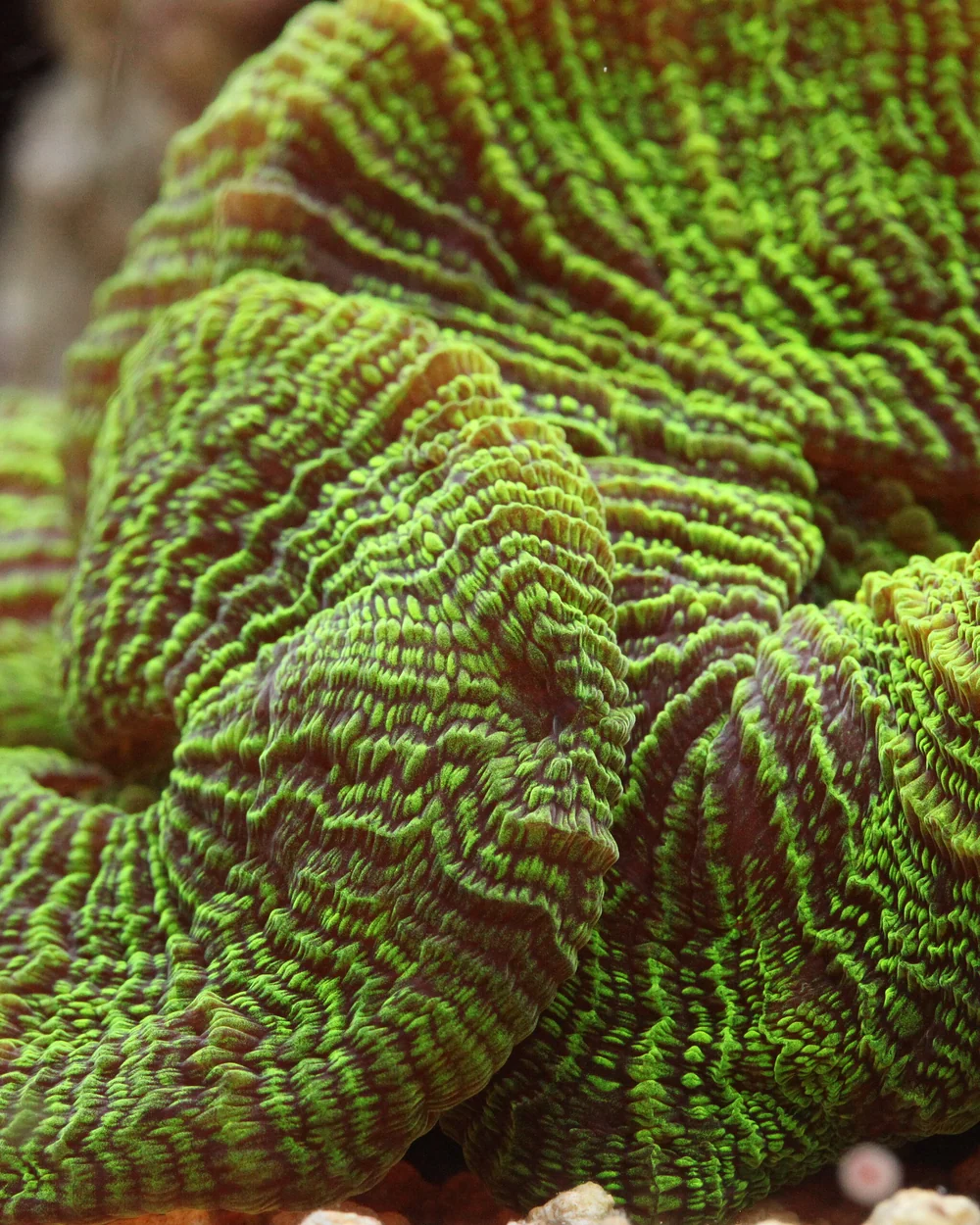
Polyp extension is the first read, but only against a stated time of day: most corals are less open in the morning, and a photograph taken then is not evidence of a problem.
Look at the tissue at the base. Receding tissue exposes skeleton, and exposed skeleton goes from white to algae-covered within days. White at the base is recent; green fuzz is not.
Colour tells you about light, not health. A pale coral under strong light is often acclimating; a brown one is usually fine and merely unfashionable.
What means nothing: a closed polyp in a shipping bag, and a photograph under heavy actinic. Neither is a defect; both are conditions.
Questions this raises
Practise on a real record
Every listing carries the photographs, the lighting and the dates this guide asks you to read.
Terms used here
- Polyp extensionHow far the animal opens its tentacles — the fastest read on whether it is comfortable.
- ActinicThe blue-violet part of reef lighting, roughly 420–460nm.
- WYSIWYGThe photograph is the animal you receive, not a representative of its type.