Species
Scientific names, care basics, and which of our animals belong to each.
A species page is the biology; a record is one animal. We keep them apart on purpose — care requirements belong to the species and do not change, while colour, size and history belong to the individual and change constantly. Conflating the two is how a listing ends up promising something the animal in the photograph cannot deliver.
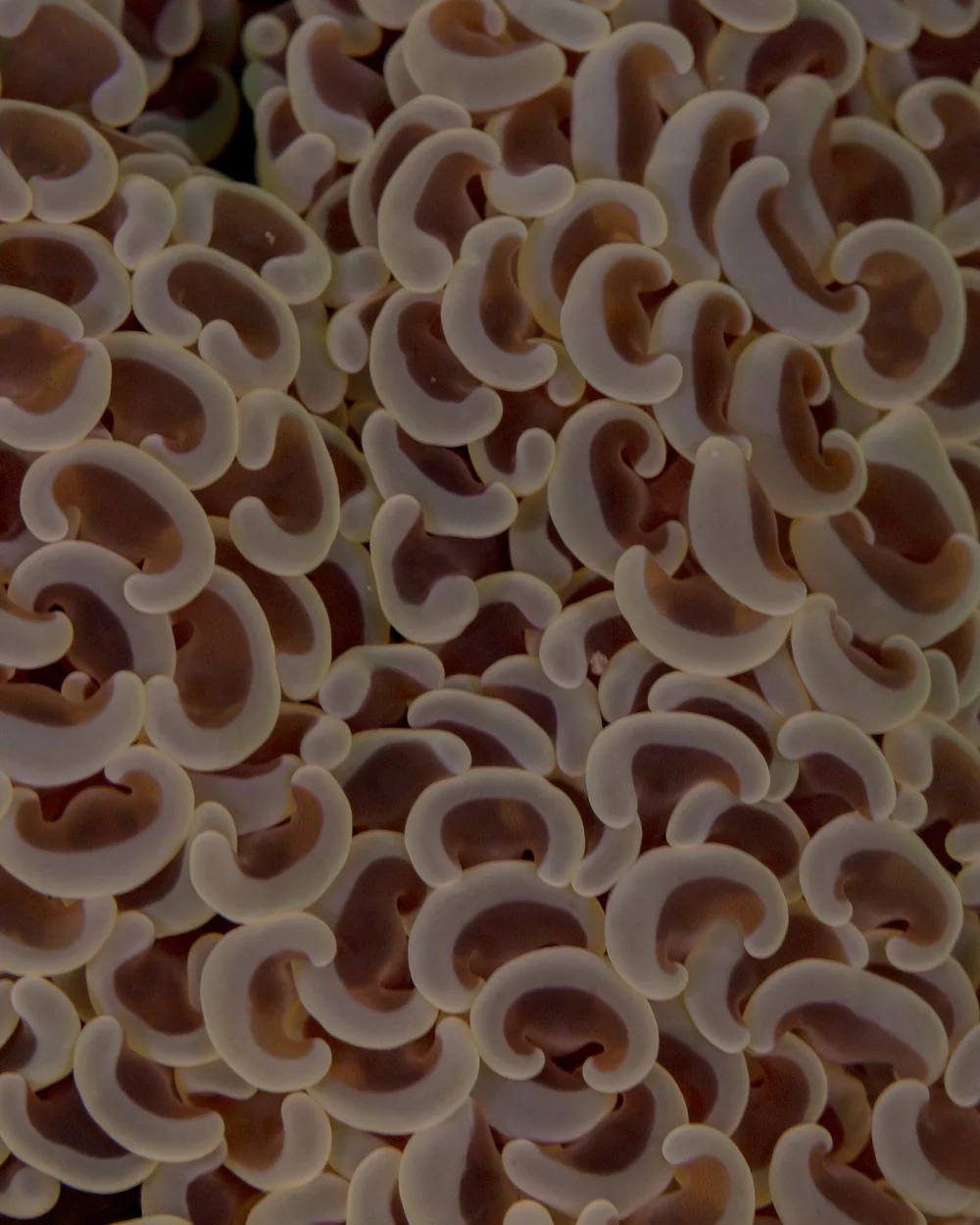
- Euphyllia ancoraA large-polyp stony coral whose tentacle tips end in a hammer or anchor. Forgiving of moderate flow; wants alkalinity that does not move.Hammer coral
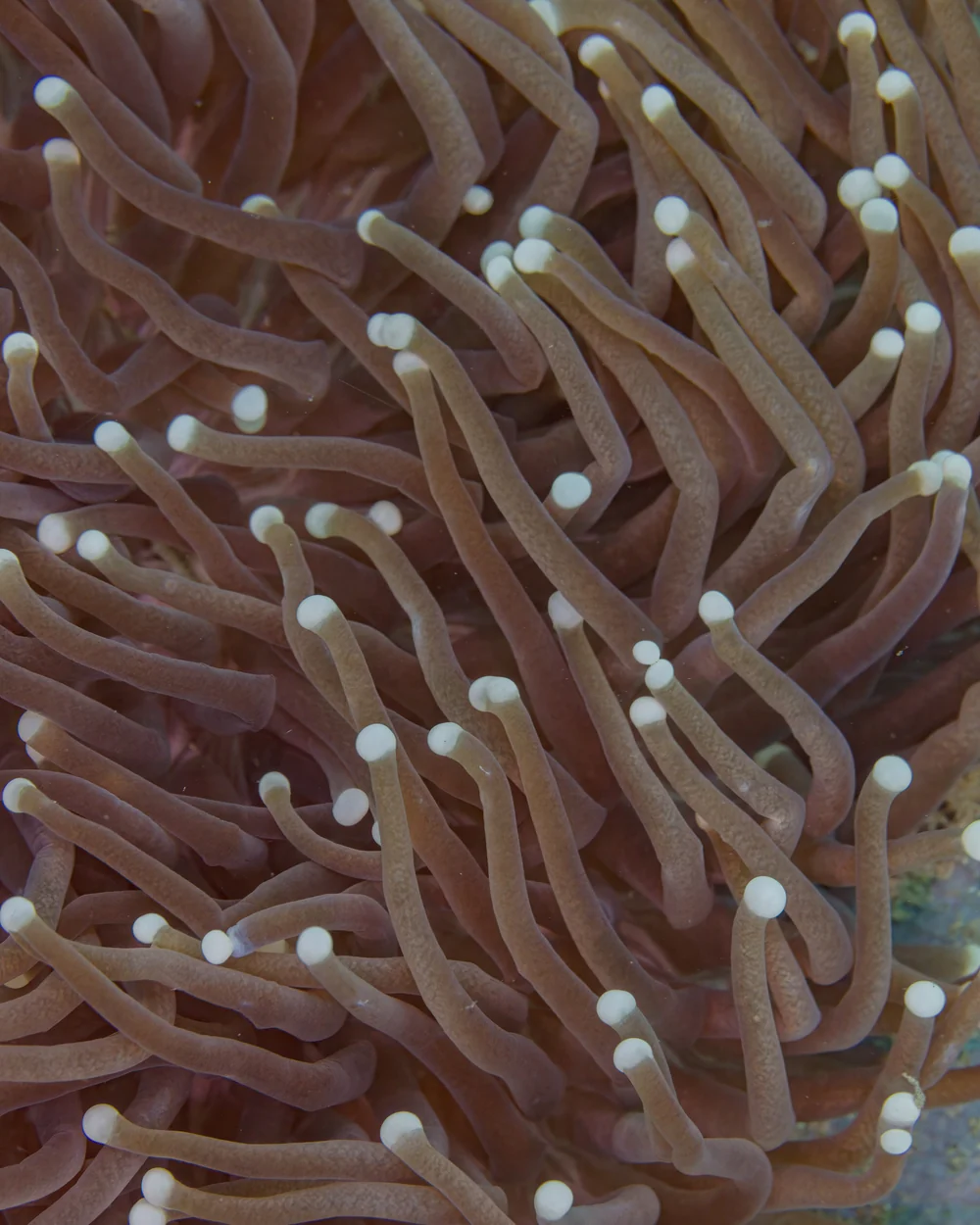
- Euphyllia glabrescensLong flowing tentacles with pale tips, held out day and night. Give it room — the sweepers reach further than the skeleton suggests.Torch coral
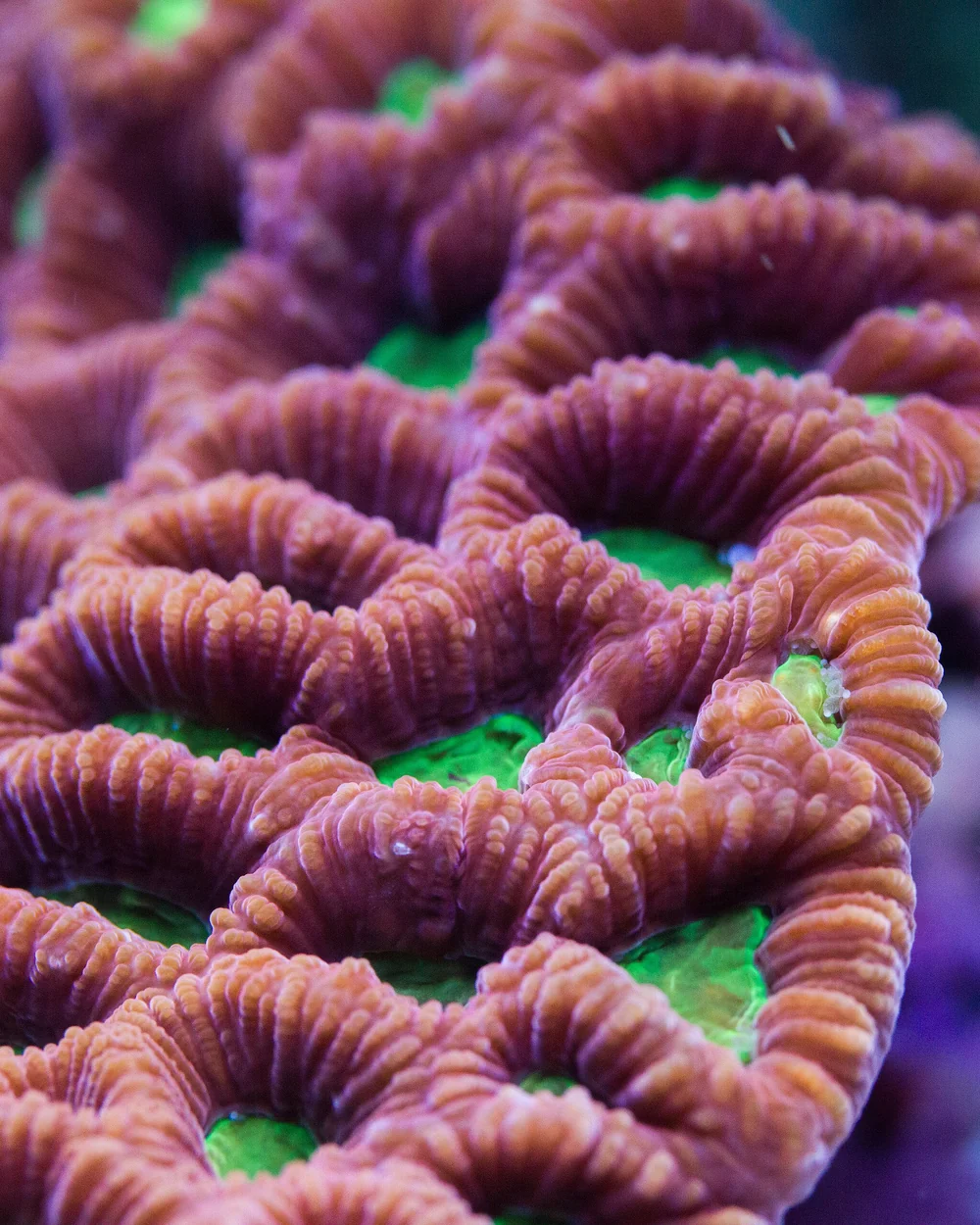
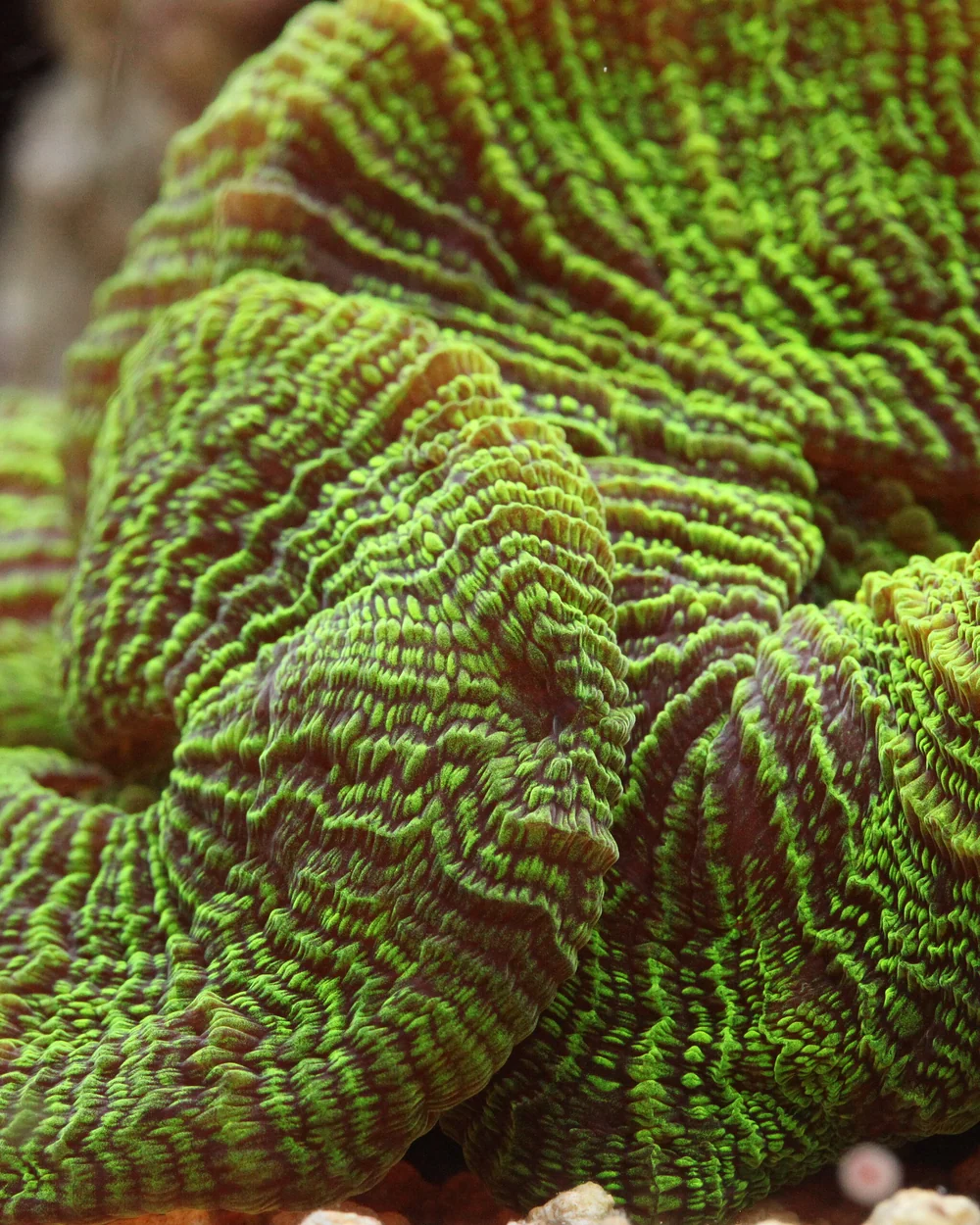
- Favites pentagonaAn encrusting brain with corallite walls that contrast sharply against the mouths. Holds colour under moderate light and feeds well.War coral
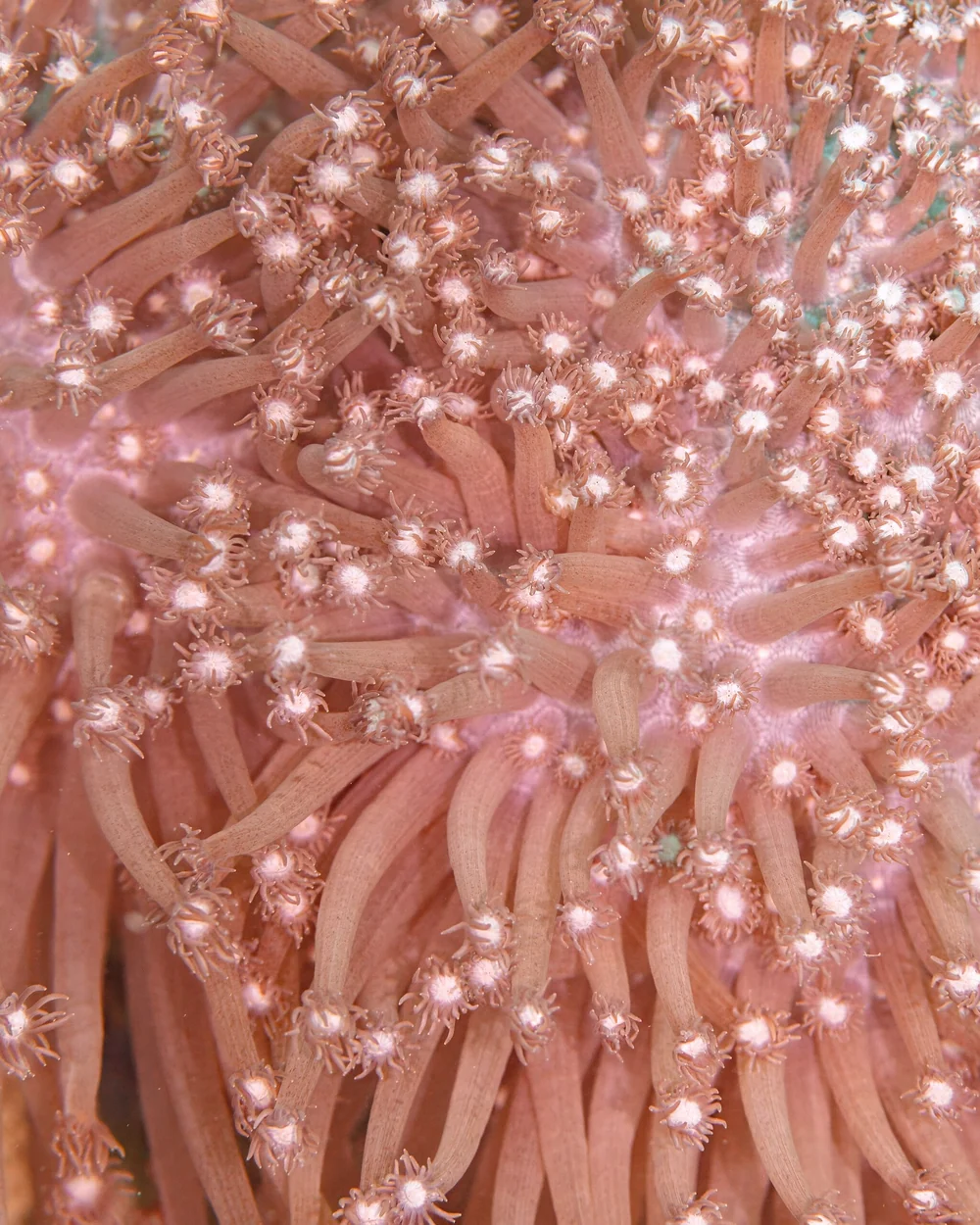
- Goniopora stokesiLong daisy-like polyps on a rounded base. Historically difficult; aquacultured stock held in stable water is a different animal.Flowerpot coral
- Trachyphyllia geoffroyiA free-living brain coral that sits on sand rather than rock. Inflates hugely under moderate light and feeds readily by hand.Open brain coral
Words used on these pages
- ActinicThe blue-violet part of reef lighting, roughly 420–460nm.
- Alkalinity (KH)How much carbonate the water carries, and the single number stony corals care most about.
- AquaculturedGrown in a tank from a piece of another tank-grown animal.
- Coralline algaeThe pink and purple crust on established rock — a sign the system is mature.
- DOADead on arrival — and the policy that says what happens next.
- Drip acclimationLetting your water replace the shipping water slowly, over an hour or more.
- FragA piece cut from a larger colony, grown on until it can stand alone.
- LPSLarge-polyp stony corals — fleshier, more forgiving, and easier to photograph honestly.
How to use these pages
What a species page is good for
- Before you buy
The care requirements are the species’, and they do not change with the individual. Read them once and you can judge every animal of that species we ever list.
- While you keep it
Temperature, flow and lighting ranges, plus the parameters we hold ours at — two different things, both worth knowing.
- When something changes
Colour shifts, tissue recession and growth rate mean different things in different genera. The species page is where that context lives.
Looking for an animal, not a species?
The catalogue lists individuals, each with its own number and record.