Guides
How to evaluate, buy for, and keep what you bring home.
What these are for
Written from the tanks, not from the internet
- Buying
How to judge an animal from a photograph, and what a record is actually telling you.
- Care
Acclimation, placement, and the handful of parameters that matter more than the rest.
- Shipping
What happens in the box, and what to do in the first hour after it arrives.
If you are starting out
Read them in this order
How to read a record
What each field means, and which ones should change your mind about an animal.
Judging health from a photograph
Four things worth checking, and two that mean nothing at all.
Acclimating a new coral
The first hour, which is where most avoidable losses happen.
Alkalinity without the swings
The one parameter worth getting stubborn about.
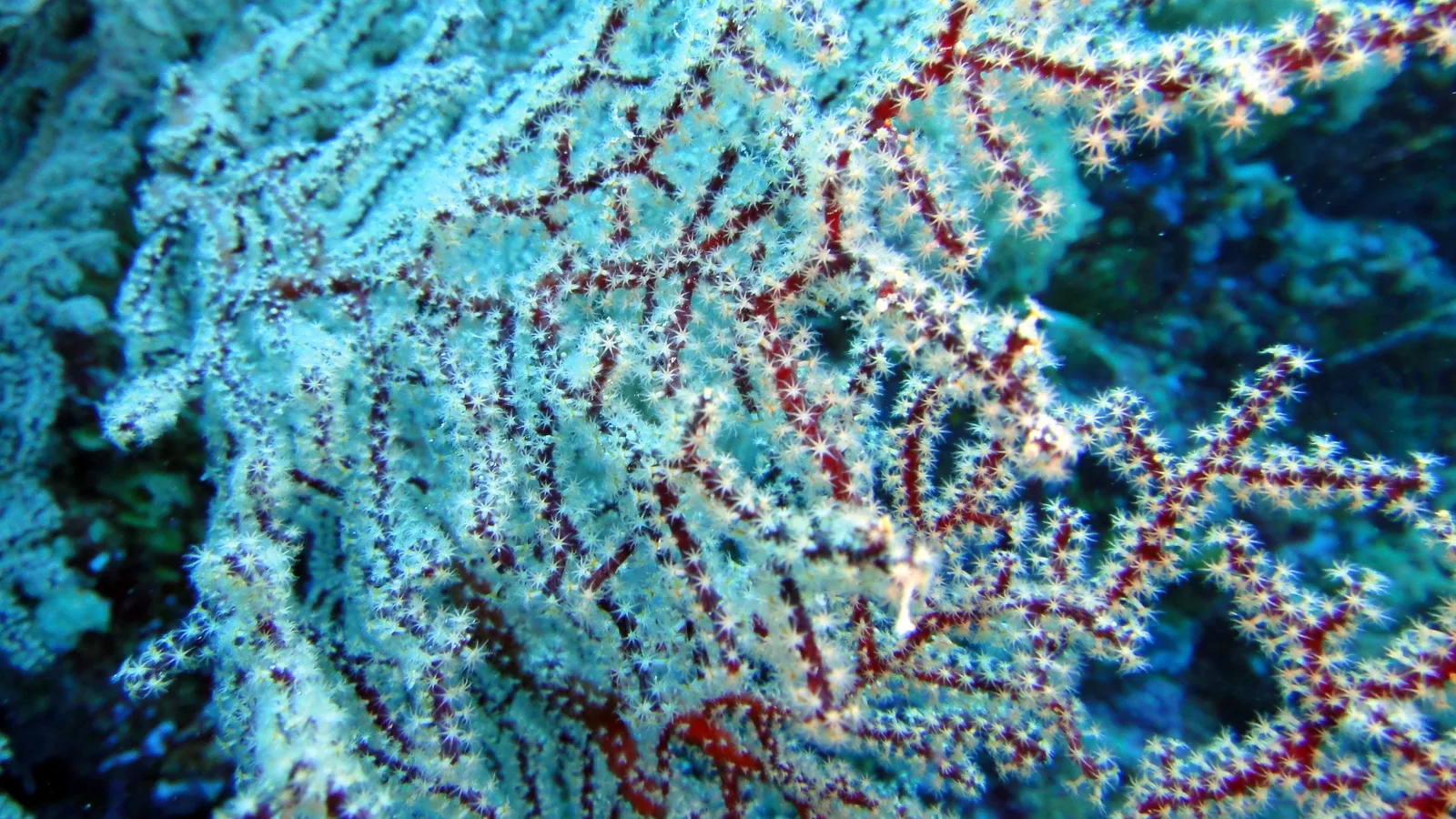
- BuyingAquacultured, maricultured, wildThree words the trade uses loosely, and what each one actually costs.
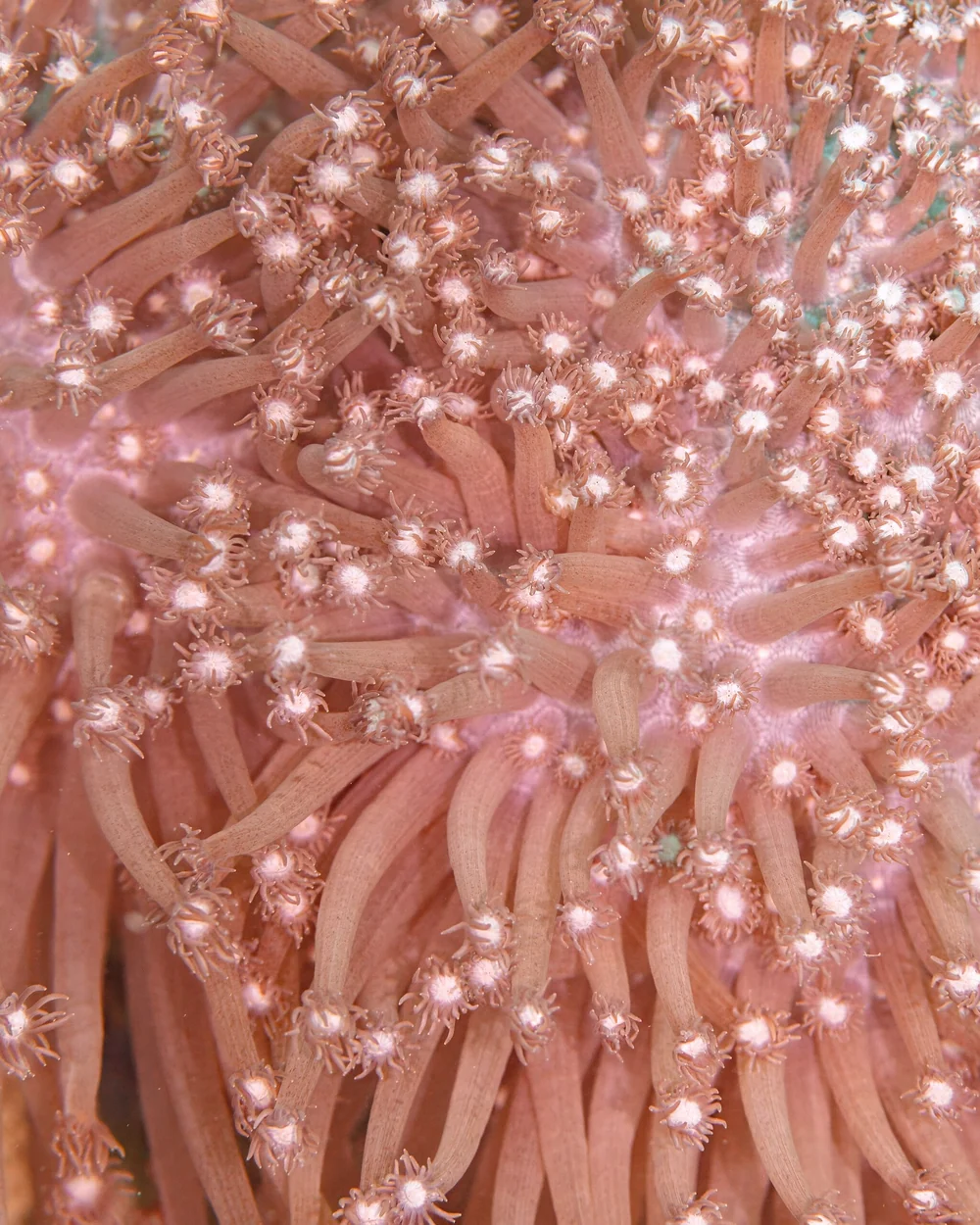
- BuyingHow to read a PetLive recordWhat each field means, and which ones should change your mind.
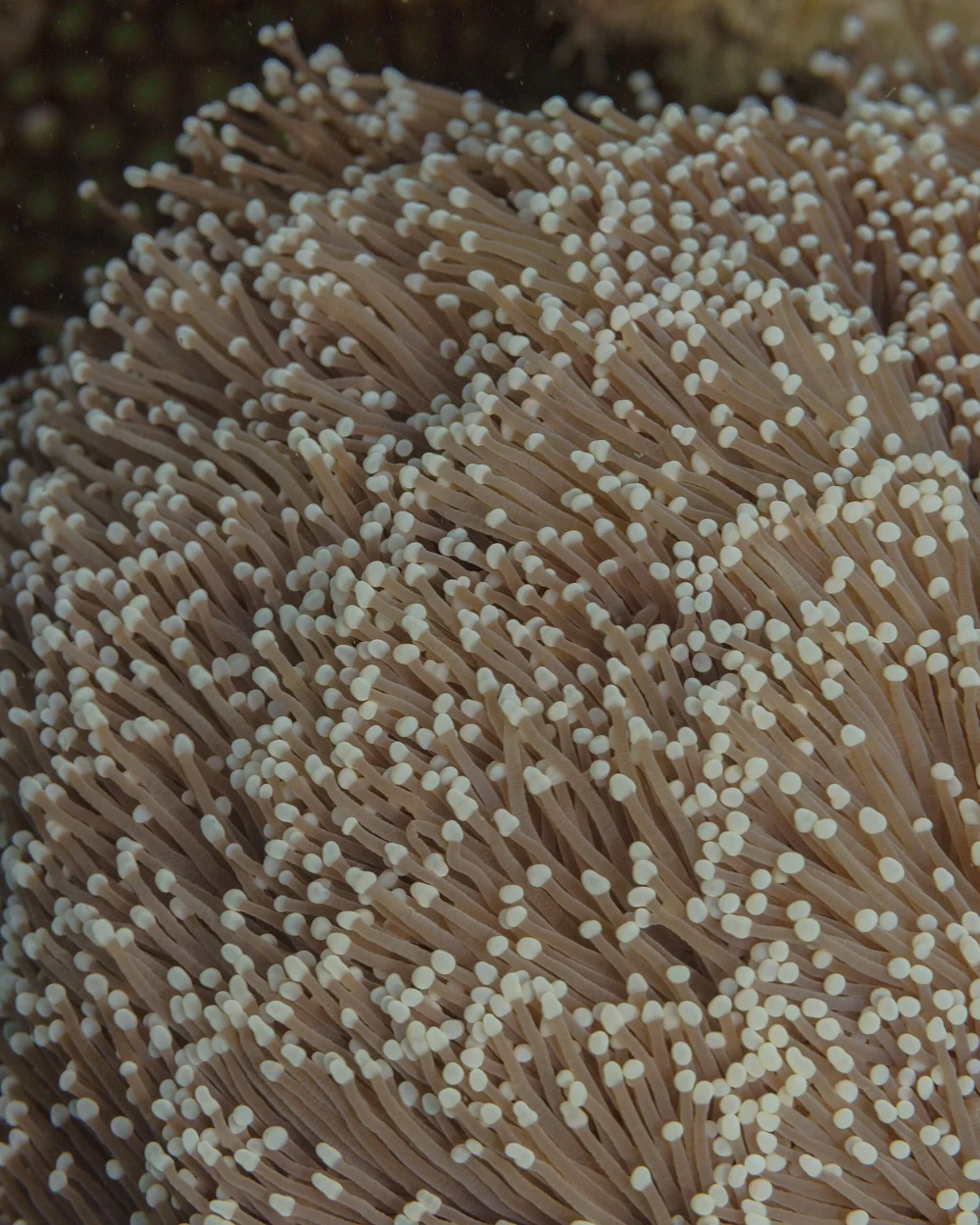
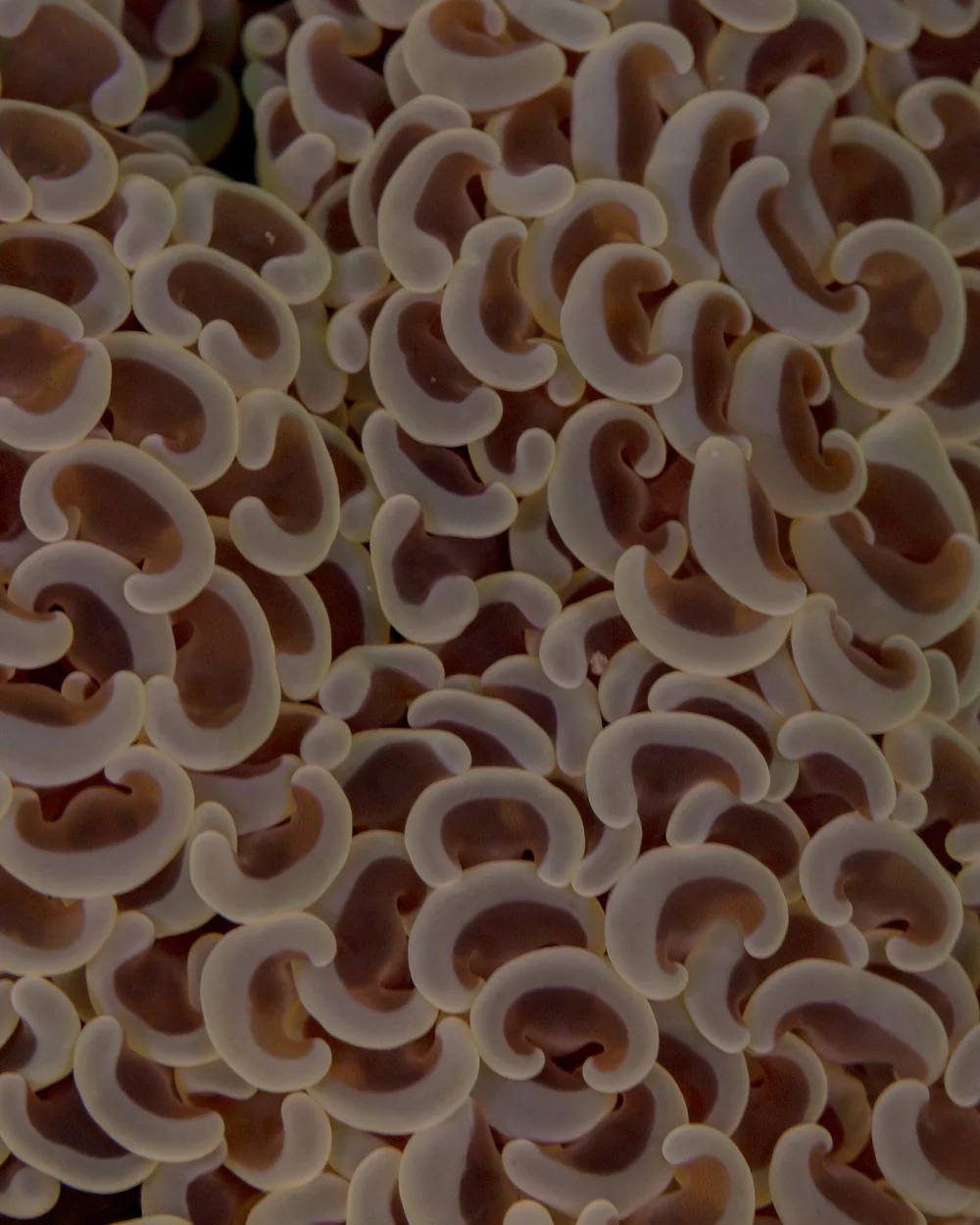
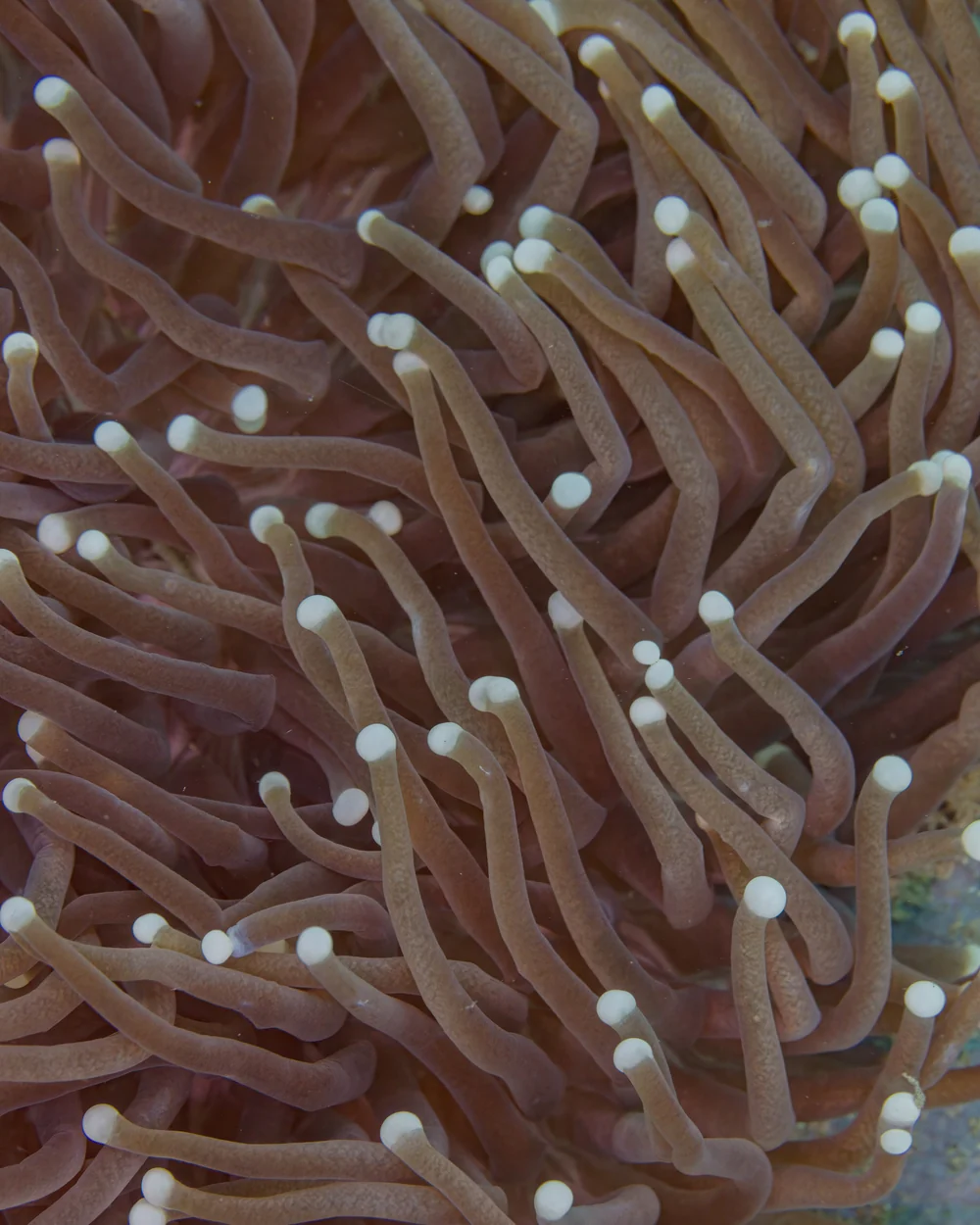
- CareWhere to put a hammer or a torchLeave more room than the skeleton suggests. Much more.
- CareAlkalinity without the swingsThe number matters less than whether it moves.
- CareAcclimating a new coralAn hour of patience is worth more than anything you can add to the water.
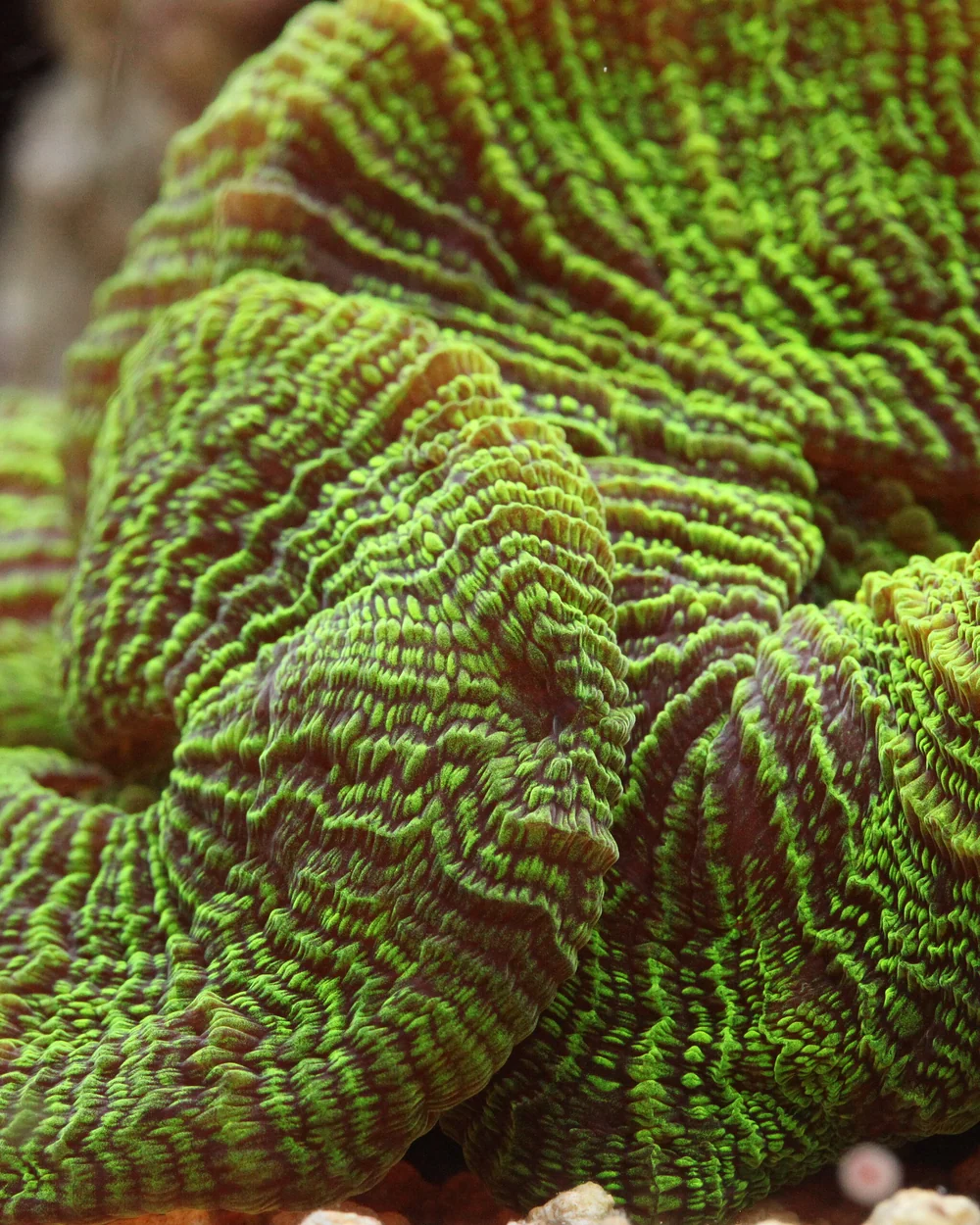
- BuyingHow to evaluate coral health from a photographFour things to look for, and two that mean nothing.
Terms these guides use
- ActinicThe blue-violet part of reef lighting, roughly 420–460nm.
- Alkalinity (KH)How much carbonate the water carries, and the single number stony corals care most about.
- AquaculturedGrown in a tank from a piece of another tank-grown animal.
- Coralline algaeThe pink and purple crust on established rock — a sign the system is mature.
- DOADead on arrival — and the policy that says what happens next.
- Drip acclimationLetting your water replace the shipping water slowly, over an hour or more.
- FragA piece cut from a larger colony, grown on until it can stand alone.
- LPSLarge-polyp stony corals — fleshier, more forgiving, and easier to photograph honestly.
- Polyp extensionHow far the animal opens its tentacles — the fastest read on whether it is comfortable.
- SPSSmall-polyp stony corals — the demanding, fast-growing, colour-shifting end of the hobby.